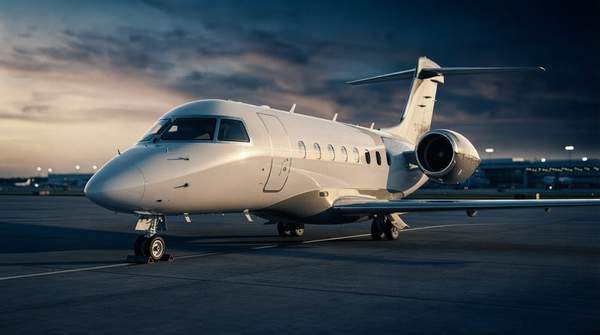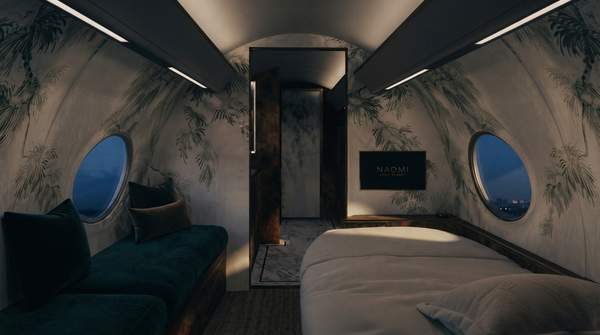
The quiet of a luxury private jet cabin is not the product of any single material or gadget. It is an integrated engineering system built from three distinct layers: passive materials that absorb and block sound, structural and architectural design that limits vibration and noise transmission, and active electronic systems that cancel what remains. Understanding how these layers work together—and what specific noises they are engineered to fight—reveals why a serene cabin at altitude is one of business aviation's most demanding technical achievements.
Primary Sources of Noise in a Private Jet
Engineers begin any soundproofing program by mapping where sound actually originates. According to acoustic materials specialists, the noise you hear in an aircraft cabin comes from the aircraft itself, and aircraft acoustics guides generally identify four main sources of aircraft sound. Two of the most significant are propellers—blades turning at extremely high speeds and generating substantial noise—and aerodynamic noise, which is comparable to road noise in a car, produced as air flows over the airframe at high speed.
Alongside these external sources, internal ones matter just as much. Aviation industry reporting on cabin noise identifies several: air conditioning units, ventilation systems, galley equipment, entertainment systems, and various moving parts all generate sounds inside the cabin. The fuselage itself contributes through structural vibration, while landing gear and flap movement add mechanical noise during takeoff and landing. Each source has a different character—low-frequency engine drone versus higher-frequency ventilation hiss, for example—which is precisely why no single treatment can address them all.