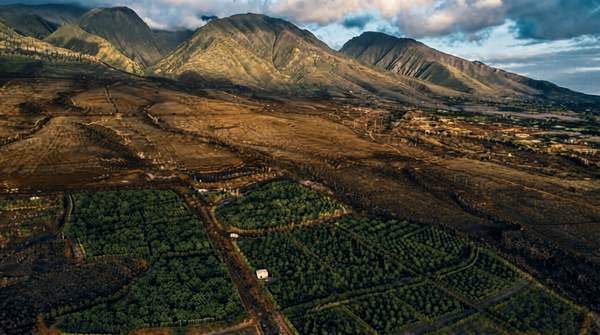
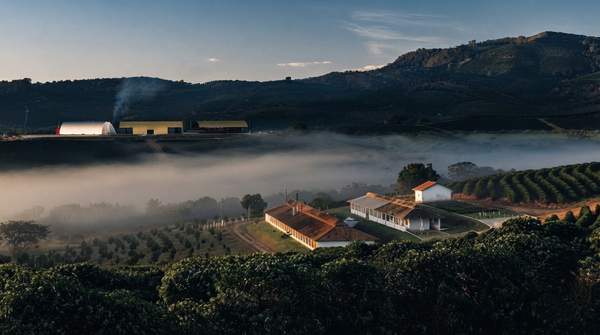
The very soul of a wine, its unmistakable character, is sculpted by an unseen army beneath the soil. A global survey of 200 vineyards across four continents recently unveiled this truth: the invisible world of soil microbes dictates much of a wine's unique character. Dominant genera like Proteobacteria and fungi such as Solicoccozyma emerge as primary architects. They meticulously shape the distinct qualities of grapes and, subsequently, the wine itself. This microscopic influence ripples across diverse geographical regions, from the hallowed grounds of Bordeaux to the sun-drenched valleys of Napa.
For generations, the romantic notion of terroir whispered of an almost magical connection between land and wine. It hinted at an unquantifiable 'sense of place.' Yet, science is now pulling back the curtain. It progressively proves that terroir's profound effects are rooted in measurable microbial and chemical processes. This captivating tension between cherished tradition and empirical data isn't just a debate; it's a revolution. It transforms how viticulturists understand and passionately pursue their craft.
Therefore, the future of viticulture isn't just promising; it's exhilarating. It will likely involve increasingly precise, data-driven vineyard management. This moves beyond broad environmental factors to micro-level biological and chemical interventions. This monumental shift promises to unlock unprecedented potentials for wine quality and consistency. It redefines the very essence of what makes a wine truly unique and utterly unforgettable.
What is Terroir, Really?
What is this elusive 'terroir' we speak of? It's the unique combination of environmental factors and human practices that passionately influence grape characteristics and, ultimately, wine quality. It encompasses elements like climate, soil type, topography, and cultivation methods. All these interact, shaping the final product with an almost artistic touch. Understanding terroir scientifically means we can dissect these components, revealing their individual dance.
The scientific focus of terroir research predominantly examines the intricate relationships between plants and their environment. It's driven by site variability and the profound effects of production methods on crop composition, according to Frontiersin. This perspective reveals terroir not as an abstract concept, but as a complex, scientifically investigable system. It involves a measurable interplay of factors, impacting wine from the ground up. The true implication? This scientific lens empowers us. It suggests we can move beyond mere appreciation to active management, potentially engineering specific terroir expressions with unprecedented precision.
The Unseen Architects: Microbes in the Soil
Beneath the romance of rolling vineyards lies a bustling, microscopic metropolis. A global survey, a monumental undertaking, analyzed soil samples from 200 vineyards across four continents. This extensive research, published in Nature, didn't just provide a deep look into the microscopic life beneath the vines; it unearthed the widespread influence of specific microbial communities. It proved their critical role in defining a vineyard's unique character, a revelation that reshapes our understanding of wine's genesis.
The study pinpointed the true power players: Proteobacteria, Actinobacteria, and Acidobacteria phyla, alongside the Archaea genus Nitrososphaera, dominate prokaryotic communities in these soil samples. But the story doesn't end there. The overall fungal community, equally vital, is largely controlled by the genera Solicoccozyma, Mortierella, and Alternaria. These specific microbial groups, working in concert, are not merely present; they are actively shaping the very essence of the grapes. These extensive global findings unequivocally establish the unseen microbial world beneath our feet as a primary, scientifically identifiable driver of a vineyard's unique terroir. The profound implication? Identifying these specific microbial signatures opens the door to targeted interventions, allowing winemakers to cultivate not just grapes, but the very microbial ecosystems that define their wine's soul.
From Earth to Glass: Terroir's Chemical Signature
From the earth, through the vine, to the glass – terroir leaves an indelible chemical signature. Metabolites in wine are directly affected by terroir, with each vineyard representing a single terroir that is displayed in the obtained wines, according to Nature. This means the chemical fingerprint within a bottle of wine can be traced back to its specific origin, a liquid map of its birthplace. This distinct chemical profile serves as a measurable, undeniable expression of its environmental and biological foundations.
The profile and concentration of phenolic compounds in wine are influenced by a complex array of factors. These include grape variety, soil composition, climate, vintage, vineyard management practices, and winemaking conditions. This intricate web of influences vividly illustrates how terroir's impact manifests chemically in the wine itself. Every aromatic metabolite, every structural phenolic compound, tells a story. It's a direct expression of its terroir, influenced by everything from microscopic life to human intervention. The profound implication here is that by understanding these chemical signatures, we gain the power to not just identify a wine's origin, but potentially predict and even engineer specific flavor profiles, crafting wines with unparalleled intentionality.
Beyond the Mystique: Practical Applications of Terroir Science
The era of relying solely on intuition and broad environmental factors for terroir management is fading. Winemakers who cling to this traditional approach risk overlooking the measurable, microscopic architects of their wine's character – specific soil microbial communities. This isn't just a blind spot; it's a missed opportunity for unparalleled optimization and consistency. A scientific approach, grounded in microbial understanding, offers a clearer, more powerful path to understanding and managing wine quality.
Embracing terroir scientifically empowers winemakers to make profoundly informed decisions. This impacts everything from vineyard management and varietal selection to innovative marketing strategies. The result? More consistent quality, more authentic expressions of place, and wines that truly tell their story. The compelling evidence from Nature, linking specific microbial dominance directly to wine metabolites, doesn't just suggest; it demands that future advancements in viticulture will involve precision microbial management. This allows for targeted manipulation of terroir expression, moving far beyond abstract 'sense of place' to a tangible, controllable art form.
Your Terroir Questions, Answered
How do soil microbes influence wine flavor?
It's a dance of unseen forces! Soil microbes actively mediate the uptake of vital nutrients and minerals by grapevines. This directly impacts the metabolic pathways within the grapes themselves. These intricate microbial interactions can profoundly alter the precursors of aromatic compounds and phenolic substances, directly shaping the wine's eventual flavor profile and its captivating complexity. They are the silent conductors of taste.
Can winemakers manipulate soil microbial communities?
Absolutely, and this is where the future truly excites us! Winemakers are not just observing; they are actively exploring methods. Think cover cropping, specific organic amendments, and even targeted microbial inoculants. These interventions aim to foster thriving, beneficial microbial populations. The goal? To enhance grape health and contribute positively, powerfully, to the ultimate expression of terroir.
What is the role of climate in modern terroir understanding?
Climate remains, without a doubt, a critical and passionate component of terroir. It influences grape ripening, water availability, and disease pressure with undeniable force. However, modern scientific understanding integrates climate data with soil chemistry and microbial profiles. This provides a far more comprehensive, nuanced picture. This holistic view allows for incredibly precise adaptation strategies, essential in our changing environmental conditions. It's about working with nature, not just observing it.
The Future of Terroir: Precision Viticulture
The scientific unraveling of terroir isn't just an academic exercise; it's a seismic shift, propelling viticulture towards a future where winemaking becomes an even more precise, exhilarating art. This new era beautifully blends cherished tradition with cutting-edge biological and chemical insights, all to craft truly exceptional wines. The ongoing research doesn't just highlight a path; it illuminates a vibrant, undeniable way forward for the entire industry.
Prepare for a revolution by late 2026. Leading viticulture technology firms like VitreoTech are expected to launch advanced microbial mapping services. These will offer vineyards precise, actionable data on their unique soil communities, tailor-made for optimized wine character. This invaluable data will empower winemakers to implement targeted, surgical interventions, moving far beyond broad environmental factors to micro-level biological management. The promise? Enhanced quality, unparalleled consistency, and wines that sing with the true voice of their meticulously nurtured terroir.