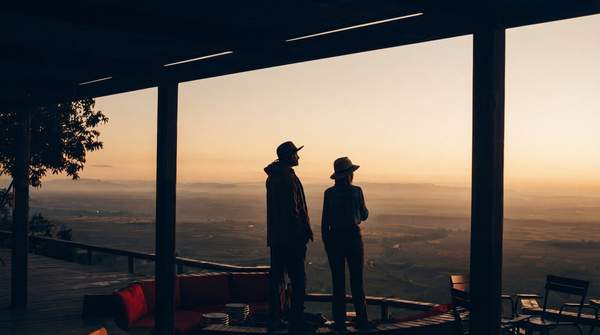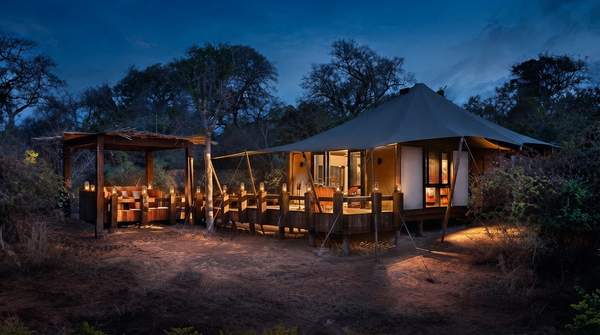
If your top priority is exclusivity and viewing freedom—night drives, off-road tracking, walking safaris—a private concession is the model that delivers it. If you want classic comfort and a fixed base, a permanent lodge fits best, with the crucial caveat that its rules and crowd levels depend entirely on whether it sits inside a national park or on private land. And if you want to follow the wildlife itself, a mobile tented camp moves with the seasons while keeping you under canvas in genuine luxury. Here is how the three models compare, and how to choose between them.
Understanding Luxury Safari Models
Every luxury safari is built from two decisions that travelers often blur together: where you sleep, and whose rules govern the land around it. Accommodation ranges, as safari planners at The Wild Source describe it, from a simple dome tent to "large, extravagant suites that include private plunge pools and a full range of luxury amenities"—and the accommodation level is one of the two main drivers of safari price, alongside strategic location for the wildlife you want to see.
The three models worth distinguishing are these. A permanent lodge is a solid-walled, fixed building with full services. A mobile or seasonal tented camp is a lighter camp that physically relocates with the herds or the seasons. A private concession or conservancy is not an accommodation type at all but a land model—community or privately owned conservancies, or land leased from governments or communities by safari operators, as African Safari Mag's Craig Howes explains. These land models restrict access and typically run on low-volume, high-value tourism. A lodge or a tented camp can sit inside either a national park or a private concession, which is why the same accommodation style can produce wildly different experiences.
Exclusivity: The Core of a Luxury Safari
Exclusivity on safari is not about thread count. It is about how many vehicles share your sighting. In public national parks such as the Serengeti or Kruger, wildlife density is high but sightings are public, and it is not uncommon to see multiple vehicles surrounding a single predator. In private reserves like Sabi Sands, by contrast, sightings are managed rather than competed for—Howes describes the ideal as "a single vehicle, controlled distance, and time to watch behaviour unfold — not just pass through it."
Accommodation size compounds this. A large lodge can put many game-drive vehicles on the same roads at once; a small camp cannot. So exclusivity has two levers: the land-access model (public park versus restricted concession) and the number of beds behind you at breakfast. A big lodge inside a busy national park sits at the low end of both levers; an intimate camp inside a low-volume concession sits at the top. A permanent lodge's exclusivity, in other words, depends almost entirely on where it stands.