In Q4 2025, Delta's premium cabin revenue, at $5.70 billion, surpassed its main cabin revenue ($5.62 billion) for the very first time, marking a definitive financial milestone. signaling a significant reorientation in how affluent consumers allocate their spending, prioritizing enhanced travel experiences over standard offerings. The top 10% of earners, who accounted for nearly half (50%) of all spending in the second quarter of 2025, particularly in luxury purchases like travel, are driving this trend, according to Hospitality Net.
However, over 70% of affluent consumers place greater value on experiences than material goods, according to Euromonitor’s Voice of the Consumer: Lifestyles Survey, yet some traditional luxury brands are still reporting substantial year-over-year sales increases for physical products. The fact that over 70% of affluent consumers place greater value on experiences than material goods, according to Euromonitor’s Voice of the Consumer: Lifestyles Survey, yet some traditional luxury brands are still reporting substantial year-over-year sales increases for physical products, underscores a bifurcated market where both experiential and exclusive material luxury continue to thrive, challenging a singular definition of modern affluence.
Companies that fail to integrate experiential value, circularity, and digital innovation into their luxury offerings will likely struggle to maintain relevance and market share in the coming decade.
The New Pillars of Luxury: Experience and Longevity
The reorientation of affluent consumer priorities is evident across various sectors. Over 70% of affluent consumers placed greater value on experiences than material goods, as reported by Euromonitor. This preference extends beyond mere leisure, influencing how high-net-worth individuals engage with brands and services. For example, in Q4 2025, Delta's premium cabin revenue reached $5.70 billion, exceeding its main cabin revenue of $5.62 billion for the first time, a stark illustration of this shift, according to Hospitality Net.
The Delta premium cabin revenue reaching $5.70 billion, exceeding its main cabin revenue of $5.62 billion for the first time in Q4 2025, suggests a significant reorientation of affluent consumer priorities. The top 10% of earners, who comprise a substantial portion of the luxury market, accounted for nearly half (50%) of all spending in the second quarter of 2025, particularly for luxury purchases like travel, further emphasizing the influence of this demographic on market trends. These consumers are actively moving beyond traditional material possessions, seeking unique, high-value experiences that offer lasting memories and personal enrichment. Luxury brands that prioritize product-centric models over experience-driven ecosystems risk becoming obsolete as affluent consumers increasingly prioritize access and curated moments over mere ownership. This evolving consumer mindset is redefining luxury in 2026, compelling brands to adapt their strategies to cater to a demand for intangible value.
Traditional Brands Still Thrive, For Now
Sustainability now ranks as the third most influential factor in luxury purchases, trailing only quality and experiential value, according to researchtheaffluent. reflecting a fundamental shift in how luxury value is created and maintained. Consumers are not just buying products; they are investing in a brand's commitment to ethical practices and environmental responsibility.
The luxury resale market, valued at $38.32 billion by 2025 with a compound annual growth rate (CAGR) of 10.1%, underscores the increasing demand for enduring value and circularity, as reported by researchtheaffluent. This growth is mirrored by brand actions: 68.3% of luxury companies currently offer repair or refurbishment services, 53.8% operate certified pre-owned programs, and 44.5% partner with resale platforms, according to Deloitte. The fact that 68.3% of luxury companies currently offer repair or refurbishment services, 53.8% operate certified pre-owned programs, and 44.5% partner with resale platforms, according to Deloitte, indicates that brands ignoring the 'enduring value' aspect of luxury are missing a critical revenue stream and a key consumer demand for sustainability.
The growth of the luxury resale market and the increasing adoption of repair services, certified pre-owned programs, and resale partnerships by luxury companies demonstrate that contemporary luxury is increasingly judged by a brand's ethical footprint, its commitment to product lifecycle, and its ability to create engaging, memorable interactions. The integration of repair services, certified pre-owned programs, and resale partnerships reflects a strategic pivot towards a circular economy model. The integration of repair services, certified pre-owned programs, and resale partnerships, a strategic pivot towards a circular economy model, not only addresses consumer demand for sustainability but also extends the lifecycle of luxury goods, reinforcing their inherent value and exclusivity. Brands must master both hyper-exclusive physical goods and unparalleled personalized experiences to capture the full spectrum of modern affluence.
The Digital Imperative: Connecting with the Modern Luxury Consumer
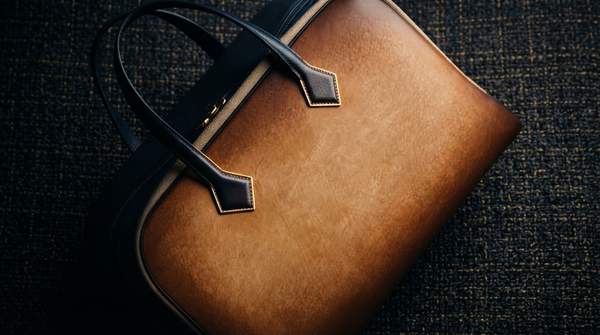
Despite the pronounced shift towards experiential luxury, established brands rooted in material goods continue to demonstrate strong market performance. Hermès reported an 18% year-over-year sales increase, according to researchtheaffluent. Hermès' reported 18% year-over-year sales increase, according to researchtheaffluent, highlights the enduring appeal of heritage, craftsmanship, and brand prestige in a specific segment of the affluent market. Certain brands maintain their allure through scarcity and meticulous production.
The continued success of traditional luxury houses, even as consumer preferences evolve, suggests a nuanced market segmentation. While over 70% of affluent consumers value experiences more than material goods, the sustained sales increases for brands like Hermès indicate that a significant portion of the affluent market still highly values and invests in traditional, exclusive material luxury. This implies that the future of luxury is not an either/or scenario, but a sophisticated blend where brands must master both hyper-exclusive physical goods and unparalleled personalized experiences to capture the full spectrum of modern affluence. The market is not abandoning material luxury, but rather expanding its definition to include other forms of value. This dynamic challenges the notion of a simple, uniform shift in consumer behavior. The pandemic has not entirely changed luxury consumer behavior; it has diversified it, adding new layers of expectation rather than replacing old ones.
Navigating the Future of Affluent Appeal
Digital connectivity is now a pervasive aspect of daily life, with 64% of the global population being digitally connected, as reported by Euromonitor. With 64% of the global population being digitally connected, as reported by Euromonitor, luxury brands must extend their presence and engagement beyond traditional physical touchpoints. Consumers expect seamless interactions across all channels.
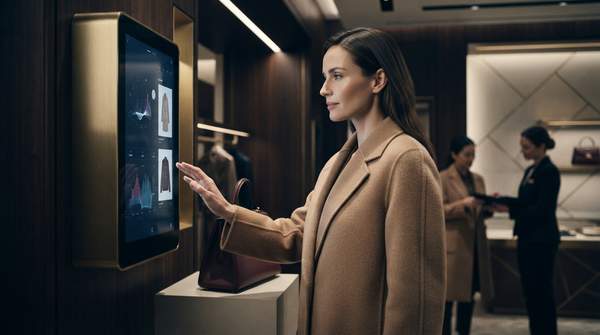
Furthermore, 54% of connected consumers prefer stores that provide immersive and engaging experiences, according to Euromonitor’s Voice of the Consumer: Lifestyles Survey. The preference of 54% of connected consumers for stores that provide immersive and engaging experiences, according to Euromonitor’s Voice of the Consumer: Lifestyles Survey, extends into physical retail, compelling luxury brands to blend online engagement with in-store presence. The demand is not just for a product, but for a personalized, memorable journey. The demand for a personalized, memorable journey highlights the necessity for luxury brands to integrate seamless, engaging digital strategies into their customer journey, ensuring that online and offline experiences are harmonized and compelling. The adoption of advanced technology, such as Generative AI, might be driven by internal efficiencies as much as direct consumer-facing innovation, but the end goal remains an elevated customer experience. The key trends in luxury consumption for 2026 involve a blend of digital convenience and physical immersion.
The increasing adoption of Generative AI by companies indicates that technology will be a key enabler for luxury brands to meet the complex demands of personalization and efficiency. 41.2% of companies are implementing Generative AI in selected areas, and 11.9% are embedding it in core functions, according to Deloitte. The increasing adoption of Generative AI by companies, with 41.2% implementing it in selected areas and 11.9% embedding it in core functions according to Deloitte, means this technological integration is not merely an operational upgrade; it is a strategic imperative for tailoring bespoke experiences and optimizing circular economy models.
Luxury brands that fail to pivot from product-centric models to experience-driven ecosystems risk becoming obsolete as affluent consumers increasingly prioritize access and curated moments over mere ownership. The strategic imperative for luxury brands is to embrace technological innovation to personalize and scale their evolving value propositions. This includes leveraging AI to understand individual consumer preferences, predict future desires, and deliver highly customized interactions. By Q3 2026, brands that have not significantly invested in AI-driven personalization and sustainable practices, like those offering comprehensive repair services or partnering with resale platforms, will face mounting pressure to adapt or lose market share to agile competitors who understand these shifts in consumer mindset. The new definitions of luxury in 2026 are intrinsically linked to value, experience, and responsible consumption.