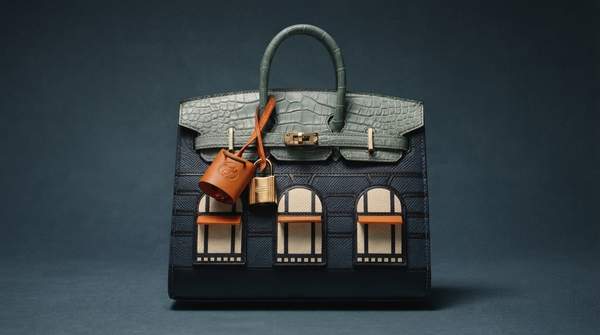
Two luxury handbags stand out for documented long-term appreciation: the Hermès Birkin and the Chanel Classic Flap. The Birkin has averaged roughly 14.2% compound annual growth over the last decade, according to Rome Station's analysis of handbags versus traditional investments, while the Classic Flap typically holds about 135% of its retail price on the secondary market. They get there by different routes—one through manufactured scarcity, the other through relentless price increases.
The Allure of Luxury Handbags as Investments
Luxury handbags have shifted from pure indulgence to what analysts describe as a "collectible investment cycle," according to Kotak's private banking insights. Prices across the segment rose 10.25% annually from 2022 to 2025—growth comparable to luxury real estate at 10.8% and stronger than major Indian stock indices over the same period, as Kotak reports.
Unlike fast fashion, these bags do not depreciate the moment they are bought. Kotak attributes their staying power to scarcity, craftsmanship, and heritage rather than seasonal trends. Resale platforms such as Vestiaire Collective and Luxepolis have seen double-digit growth in resale activity, particularly for Hermès, Chanel, and Goyard. But performance is selective: only certain models from top-tier brands actually gain value, so picking wisely matters.
Hermès Birkin: The Apex of Scarcity-Driven Value
The Birkin's value rests on a deliberate bottleneck. As Kotak explains, clients must cultivate a relationship with the brand before being offered the chance to buy one. That purchase friction is the point: demand stays unshaken even as prices rise, because the supply of bags—and the ability to simply walk in and buy one—is tightly controlled.
The results are measurable. The Birkin retains roughly 250% of its original value on the resale market, according to Kotak, and Rome Station reports that Hermès bags overall now hold about 103% of their retail value. Over the last decade, the Birkin has averaged around 14.2% compound annual growth—better than the S&P 500's typical 10–12% average, as Rome Station's comparison notes. These are historical figures, not guarantees.
Chanel Classic Flap: Consistent Price Hikes and Enduring Demand
The Classic Flap follows a different playbook. Rather than rationing access, Chanel has raised retail prices steadily, and that strategy has made older models more valuable than some new releases, as Rome Station observes. Each price hike resets the floor under what earlier buyers paid.
The result is strong resale resilience: the Classic Flap holds about 135% of its retail price, a figure Kotak attributes to its enduring desirability. Note the distinction—this is a resale-to-retail ratio, not a compound annual growth rate like the Birkin's, so the two numbers measure different things. Kotak also notes that Chanel's pricing strategy supports resale values even amid secondary market fluctuations.
Investment Profiles: Hermès Birkin vs. Chanel Classic Flap
Set side by side, the two bags reveal why both are strong investments but for different strategic reasons. The Birkin's engine is manufactured scarcity and purchase friction; the Classic Flap's is consistent retail price increases layered on enduring brand prestige. The comparison below draws on Kotak's and Rome Station's reporting.
| Dimension | Hermès Birkin | Chanel Classic Flap |
|---|---|---|
| Reported appreciation | ~14.2% compound annual growth over the last decade; retains about 250% of original value on resale | Holds about 135% of retail price on the secondary market (a resale ratio, not an annual growth rate) |
| Primary scarcity factor | Manufactured scarcity—buyers must build a relationship with the brand before being offered a bag | Steady retail price hikes that make older models more valuable than some new releases |
| Key value driver | Unshaken demand despite rising prices; craftsmanship and heritage | Consistent price increases plus enduring brand prestige and desirability |
Read the table as two different mechanisms, not two rankings. The Birkin's figure describes a decade of compounded growth; the Classic Flap's describes where resale sits relative to current retail. Both reflect historical resale data, which does not guarantee future performance.
Key Factors for Handbag Investment Potential: A Buyer's Checklist
Ellie Belle's guide to luxury handbag investing identifies the variables that determine a bag's long-term worth. Before treating any purchase as an investment, work through these questions:
- Brand prestige. Is it an iconic house—Hermès, Chanel, Louis Vuitton—with a track record of strong resale potential?
- Model and rarity. Is it a recognized icon like the Birkin, Classic Flap, or Louis Vuitton Capucines, rather than a seasonal style? Limited runs and unique pieces behave more like collectibles.
- Condition and completeness. Has the bag been stored properly and maintained for maximum resale value?
- Materials and craftsmanship. Does the bag's quality support longevity rather than seasonal fashion appeal?
- Market demand. Is there active resale activity for the brand on platforms, auction houses, or consignment stores?
Making an Informed Handbag Investment Decision
Evaluate luxury handbags for investment potential by considering brand prestige, model rarity, condition, materials, and market demand, while understanding the distinct strategies employed by top brands like Hermès and Chanel. Two caveats frame any decision: this is not financial advice, and it is based on historical resale data that does not guarantee future performance. This article also does not cover authentication or the mechanics of buying and selling.
A potential buyer can monitor the consistent application of these factors to new or existing models and observe sustained or increasing resale values on reputable secondary markets. That is the measurable test: if the factors hold and resale prices keep pace, the investment thesis remains intact; if resale softens while retail climbs, the strategy is weakening.