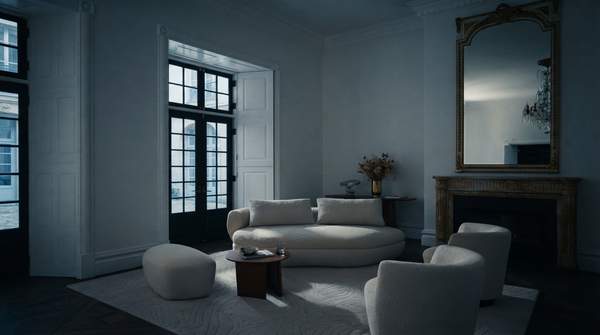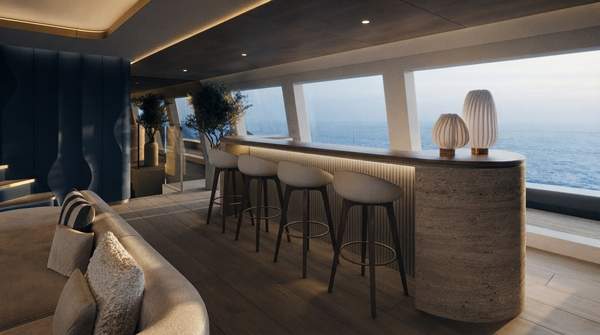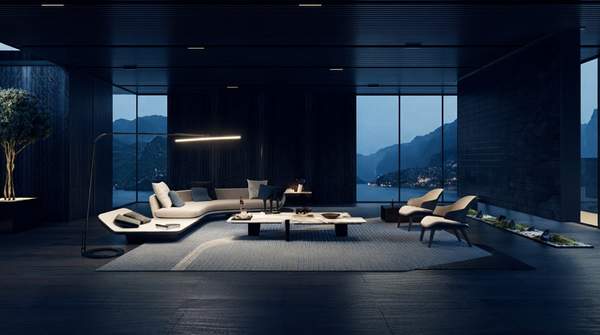
Pininfarina, the Italian design house renowned for shaping iconic cars for Ferrari, Alfa Romeo, and Maserati for nearly a century, is translating its automotive philosophy into residential architecture with its first branded single-family villas in the United States. In a partnership with luxury homebuilder MV Group USA, the firm has launched "Collection Sei," a limited series of six custom residences, each priced at $16.95 million. The project moves beyond conventional luxury real estate by offering what Pininfarina describes as a "collectible residence," merging the worlds of high-performance automotive art and high-end living.
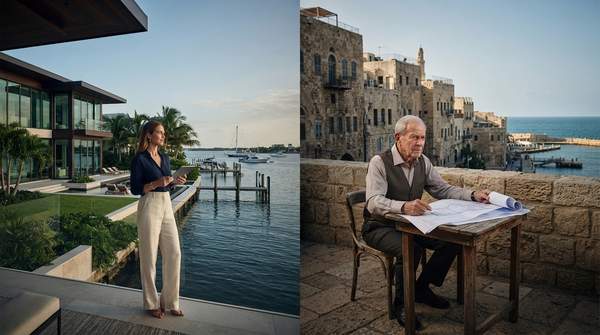
The collection consists of just six fully furnished homes, each spanning approximately 8,000 square feet. In a departure from typical luxury developments, these villas will not be built in a single community. Instead, each will be constructed on a buyer’s privately owned, pre-approved homesite of at least 20,000 square feet, located anywhere in the United States, with a limit of one residence per city. This unique model underscores the project's focus on extreme exclusivity and bespoke design, establishing a new benchmark for branded luxury living.
Translating Automotive Philosophy to Architecture
Pininfarina’s approach to home design is a direct extension of the principles that have defined its legendary automotive creations. The company’s philosophy is rooted in creating an experience where aesthetics are an integral part of function, not merely a decorative layer. According to the firm, its home designs are conceived with the user in mind, emphasizing innovation through materials and thoughtful details. This user-centric approach, honed over decades of crafting vehicle interiors and exteriors, is now being applied to create holistic living environments.
The goal is to embody the highest expression of elegance and timeless design, combining it with exceptional craftsmanship. Just as a Pininfarina-designed car is more than a mode of transport, these homes are envisioned as spaces that elevate daily life. The transition from automotive to architectural design is therefore not a leap, but a logical application of a core belief: that well-designed objects and spaces, whether a car or a home, should be both beautiful and functional, enhancing the user's experience at every interaction.