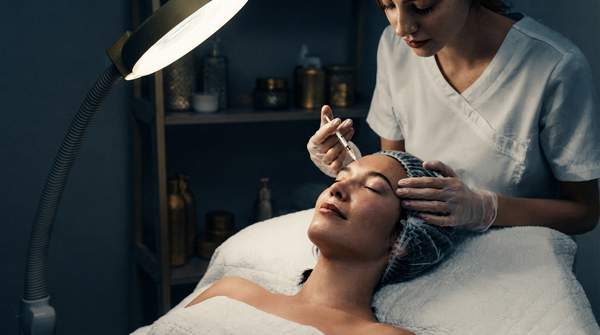
Exosome therapy is an emerging frontier in anti-aging skincare, showing potential to revitalize skin by using the body’s own cellular communication system. These microscopic vesicles act as messengers, delivering molecular instructions to skin cells that can encourage repair and regeneration. Proponents claim they can stimulate the production of collagen and elastin, essential proteins for firm, youthful skin. However, the science is in its early stages. While preclinical studies are promising, exosome products for cosmetic use currently operate in a landscape without robust clinical validation for anti-aging or approval from the U.S. Food and Drug Administration.
What Are Exosomes?
Exosomes are tiny, stable byproducts released by cells that function as a sophisticated intercellular postal service. They are not cells themselves but rather small sacs containing a cargo of signaling molecules, including proteins, lipids, and nucleic acids. According to scientific reviews, these packages are absorbed by neighboring or distant cells, where they release their contents to influence the recipient cell's behavior. This process of intercellular communication is fundamental to tissue repair and maintenance.
In skincare, exosomes are formulated into products like serums and gels. They can be derived from human sources, such as umbilical cord blood or platelets, as well as from animals or plants. Regardless of their origin, their purported function remains the same: to deliver targeted signals that trigger a regenerative response in existing skin cells. This mechanism allows them to modulate cellular pathways and alter the substances that cells produce, potentially slowing the visible signs of skin aging.
How Exosomes Rejuvenate Skin: A Cellular Pathway
The anti-aging potential of exosome therapy lies in its ability to directly influence the behavior of skin cells. The process, from application to cellular response, follows a specific biological pathway based on findings from preclinical research.
- Application and Penetration
Exosome treatments are typically formulated as topical gels or serums. For these products to be effective, the exosomes must penetrate the outer layer of the skin to reach the target cells below. To enhance this process, clinicians may pair the topical application with procedures like microneedling, which creates micro-channels in the skin to allow for deeper absorption. - Cellular Absorption
Once they bypass the skin's barrier, exosomes are taken up by recipient cells, particularly fibroblasts, which are responsible for producing the skin's structural proteins. Their stable structure allows them to travel within the skin and effectively merge with these target cells. - Delivery of Molecular Signals
After being absorbed, an exosome releases its internal cargo of bioactive molecules. These molecules act as direct instructions, altering the function of the recipient cell. This cargo can include growth factors and specific microRNAs that regulate gene expression. - Resulting Cellular Changes
The delivered signals can prompt fibroblasts to increase their production of collagen and elastin, the proteins that give skin its firmness and elasticity. Simultaneously, some studies suggest these signals can decrease the expression of matrix metalloproteinases (MMPs), which are enzymes that break down collagen. This dual action helps rebuild and preserve the skin's structural integrity.
Claimed Benefits: Collagen, Elastin, and Beyond
The primary anti-aging benefit attributed to exosome therapy is its potential to boost collagen and elastin synthesis. By signaling fibroblasts to produce more of these crucial proteins, exosomes may help restore the skin's underlying structure, which naturally degrades with age and sun exposure. This can lead to visible improvements in skin firmness and a reduction in the appearance of fine lines.
Beyond structural repair, research indicates that exosomes possess other valuable properties. According to a review in PMC, stem cell-derived exosomes have demonstrated immunomodulatory, anti-inflammatory, and anti-oxidative effects in preclinical studies. These functions are vital for mitigating skin damage caused by environmental stressors like UV radiation. By reducing inflammation and oxidative stress, exosomes may help protect the skin from further aging and promote a healthier, more resilient complexion.
The Current Scientific and Regulatory Landscape
Despite the promising biological mechanisms, exosome therapy for anti-aging exists in a nascent and largely unregulated space. According to NBC News, exosome products are not approved by the FDA. For a product to gain FDA approval, it must undergo rigorous clinical trials to prove it is both safe and effective for its intended use, a milestone the field has not yet reached for cosmetic applications.
The scientific evidence, while encouraging, is primarily based on laboratory (in vitro) and animal studies. A 2024 review published in a National Center for Biotechnology Information journal notes that to date, no clinical trials have been conducted on the use of exosomes specifically for photoaging in humans. The current clinical applicability of exosome-based therapy is limited to skin wound repair.
Furthermore, the use of exosomes, particularly those derived from stem cells, raises ethical questions. Researchers point out that since skin aging is not a life-threatening condition, the use of complex biological therapies requires careful consideration. Informed consent can be challenging due to the intricate mechanisms and unknown long-term effects, which may include a risk of iatrogenic tumors.
Evaluating Exosome Therapy: What to Consider
For individuals considering exosome-based anti-aging treatments, it is essential to critically evaluate the marketing claims made by clinics and skincare brands. The biological premise is compelling, but the transition from preclinical research to proven consumer products is a significant leap. The current market is characterized by a gap between the potential demonstrated in labs and the evidence required for widespread, safe clinical use.
When assessing these therapies, the most important factor is the availability of robust, independent clinical trial data. Without such evidence, claims of efficacy and safety remain speculative. Therefore, the key measurable indicator of a product's legitimacy is regulatory approval. Until specific exosome products are cleared by the FDA based on comprehensive human trials, consumers should approach this innovative but unproven therapy with caution.
Sources
- What Are Exosomes in Skincare and Are They Safe? — Healthline
- Exosomes in skin photoaging: biological functions and therapeutic opportunity - PMC
- Unveiling exosomes in combating skin aging: insights into resources, mechanisms and challenges - PMC
- Exosomes are everywhere in skin care — but do they actually work? — NBC News
- Can exosomes help with skin care and hair loss? | Aging | Plastic Surgery — Utswmed