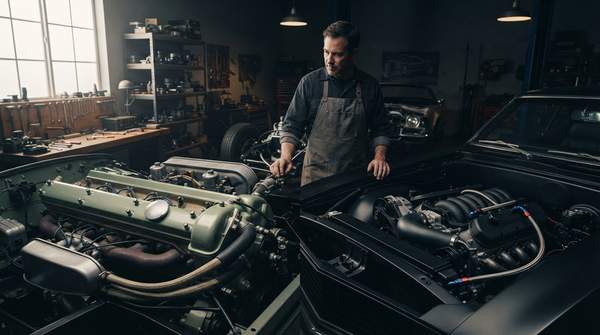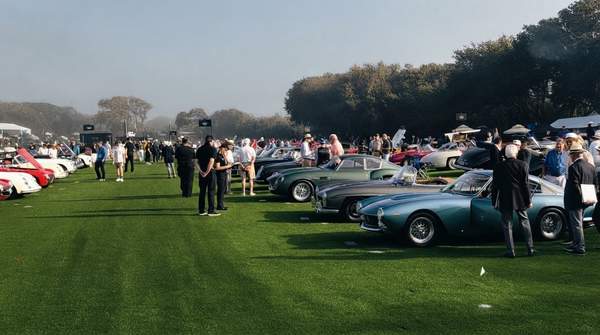
There is no single right way to restore a classic car. The best strategy—preserving it as found, restoring it to factory-correct specifications, or modernizing it as a restomod—depends entirely on what you want from ownership. Each path produces a different balance of drivability, market value, and historical authenticity, and choosing the wrong one for your goals can be an expensive mistake. A highly original "survivor" car, for instance, can lose the very premium that makes it special if you restore it. Here is how the three approaches compare, and how to match one to your goals.
Defining Your Classic Car Project: Goals First
Before any wrench turns, define what the car is for. American Collectors Insurance advises owners to take the time to establish goals first and make every subsequent decision accordingly, because the biggest differences in ownership experience flow from that initial choice. A car destined for concours judging demands different decisions than one meant for weekend drives.
Start with three questions. How will you actually use the car—shows, Sunday drives, or long-distance touring? What is your tolerance for period-correct inconveniences like drum brakes, stiff steering, or a carbureted engine that needs patience? And what are your budget and value expectations? Velocity Restorations frames the same point around use cases: a weekend cruiser calls for comfort and reliability modifications, while other goals point elsewhere. As WheelPrice bluntly puts it, wanting it "done right on a tight budget" is often not a realistic combination—understanding trade-offs early prevents frustration.