A single-origin coffee offers a direct expression of the environment where it was grown, a unique taste shaped by its specific altitude, soil, and climate. For coffee lovers, understanding these factors transforms the act of choosing beans from a guess into an intentional selection. Much like with fine wines, the nuanced effects of this "terroir" can be tasted and appreciated, allowing you to predict whether a cup will be bright and citrusy or smooth and chocolate-forward simply by knowing its origin. By exploring how nature shapes the flavors in your cup, you can move beyond roast level and begin to select coffees based on the distinct characteristics of their home.
The Essence of Single-Origin Coffee
The term "single-origin" signifies that the coffee beans come from a single, specific place. This could be as broad as a country or as focused as a single farm or even a small micro-lot within that farm. According to an explanation from Achilles Coffee Roasters, the appeal of single-origin coffee lies in its transparency and uniqueness. Each bag provides a clear taste of the environment where the beans were cultivated, offering a more adventurous and nuanced flavor profile compared to blends, which are crafted for consistency by combining beans from various locations.
Opting for single-origin coffee is an invitation to explore how nature shapes flavor. It allows the drinker to taste the distinct characteristics imparted by a particular corner of the world. As noted by Paradise Coffee Roasters, this is how coffee connoisseurs can appreciate the subtle but significant effects of terroir on the beans. One cup might sparkle with a lemon-like acidity, while another presents comforting notes of cocoa and nuts, and the story behind these differences begins with the land itself.
Terroir: How Environment Shapes Flavor
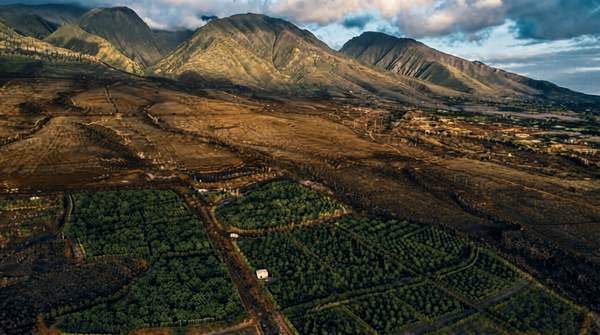
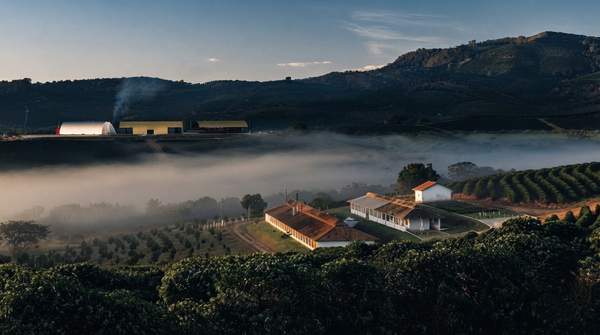
Terroir is the combination of environmental factors—primarily altitude, soil, and climate—that gives a coffee its unique character. These elements directly influence the coffee cherry's development, which in turn dictates the fundamental flavors locked inside the bean before it is ever roasted.
Altitude plays one of the most critical roles. In the high-altitude mountains of East Africa, for example, cooler temperatures slow the coffee cherry’s maturation. Achilles Coffee Roasters explains that this extended development period creates denser beans packed with complex sugars, which translate into bright acidity, floral aromas, and clean, citrus-like flavors. In contrast, coffees grown at lower altitudes often mature more quickly, resulting in beans that tend to have a heavier body and produce earthy or nutty tastes.
The soil composition also imparts a signature taste. Mineral-rich volcanic soil, for instance, is known to create beans with deeper flavor and enhanced sweetness. The Coffee Research Team at Ebru Coffee Co. points to coffees from Tanzania, grown in the volcanic soil around Mount Kilimanjaro, as a prime example. These beans are known for their bright, berry-like flavors, sharing some characteristics with Kenyan coffee but with a slightly lighter body, a direct result of their unique geological home.
Processing: The Artful Influence on Taste
While terroir provides the raw potential of a coffee bean, the processing method used after harvesting is a crucial artistic step that dramatically shapes its final taste. The way the fruit of the coffee cherry is removed from the seed, or bean, can either highlight the flavors of its origin or add entirely new layers of complexity. Even beans from the same farm can yield vastly different profiles depending on how they are processed.
Two of the most common methods are washed and natural processing. In the washed process, the fruit pulp is removed from the bean before it is dried. This method tends to produce a cleaner, brighter cup with more pronounced acidity, allowing the inherent characteristics of the bean and its terroir to shine through without interference from the fruit.
Conversely, the natural process involves drying the entire coffee cherry with the fruit intact. During this time, the sugars and other compounds from the fruit pulp are absorbed by the bean. This technique often results in a cup with a heavier body, lower acidity, and a more complex, fruit-forward flavor profile. In regions like Indonesia, the humid climate combined with unique processing techniques gives rise to the earthy, spicy, and bold profiles for which its coffees are famous.
The Single-Origin Flavor Predictor
By combining an understanding of terroir and processing, you can begin to predict the flavor profile of a single-origin coffee before you brew it. This framework connects key environmental factors and regional characteristics to their likely taste expressions, turning the information on a coffee bag into a reliable guide for your palate.
Key Factors and Their Flavor Signatures
- High Altitude: Cooler temperatures slow the maturation of the coffee cherry, creating dense, sugar-rich beans. This typically results in a cup with bright, sparkling acidity, complex floral and citrus aromas, and a clean, refined taste. Look for coffees from East Africa or other high-mountain regions.
- Low Altitude: Faster maturation in warmer climates often produces less acidic, bolder beans. Expect a heavier body, lower acidity, and flavor notes that are earthy, nutty, or chocolatey.
- Volcanic Soil: The mineral-rich soil nourishes the coffee plant, influencing the bean's composition. This factor often contributes to a deeper flavor and enhanced sweetness, a hallmark of coffees from regions like Tanzania.
- Washed Processing: This method emphasizes the bean's intrinsic qualities. It produces a clean, bright flavor profile with prominent acidity, highlighting the coffee's origin characteristics.
- Natural Processing: By drying the bean inside the fruit, this method imparts distinct flavors. It often results in a cup with a heavier body, lower acidity, and complex, fruity notes.
A Tour of Regional Profiles
East Africa (e.g., Ethiopia, Kenya, Tanzania): High-altitude cultivation in this region typically produces coffees with bright acidity and complex aromatics. According to Achilles Coffee Roasters, you can expect floral notes and citrus-like flavors. Tanzanian beans, influenced by volcanic soil, often add distinct berry-like notes to this profile.
South America (e.g., Brazil): Coffees from this region are often characterized by their smooth, comforting, and chocolate-forward profiles. Achilles Coffee Roasters notes they frequently carry hints of cocoa and nuts with a heavier body and lower acidity, making them a reliable choice for brewing methods that emphasize richness, like French press or espresso.
Asia (e.g., Indonesia): Known for a distinct and powerful flavor profile, Indonesian coffees are often described as bold, earthy, and spicy. As noted by Paradise Coffee Roasters and Achilles Coffee Roasters, the region's wet climate and specific processing methods contribute to a heavy, syrupy body and low acidity, with deep flavors of dark chocolate or wood.
Making Informed Coffee Choices
When selecting single-origin coffee, prioritize understanding its origin's altitude and soil type, alongside its processing method (washed or natural), to predict its likely flavor profile. Instead of choosing beans based only on the roast level, look for information on the packaging that details the country, region, and sometimes even the specific farm. This information is your guide to the coffee's inherent character. If you prefer a bright, lively, and aromatic cup, a high-altitude, washed African coffee may be an excellent choice. If you enjoy a rich, smooth, and chocolatey brew, a lower-altitude, naturally processed coffee from South America could be more to your liking. By using terroir as your map, you can more consistently find a coffee that aligns with your taste preferences.
Sources
- The Role of Altitude and Terroir in Coffee Flavor Development – Achilles Coffee Roasters — Achillescoffeeroasters
- The Complex Delights of Single Origin Coffee — Paradise Coffee Roasters
- Coffee Flavor Profiles By Region — Ebru Coffee Co.
- Why Coffee Origin Matters: Exploring Regional Flavor Profiles – Achilles Coffee Roasters — Achillescoffeeroasters