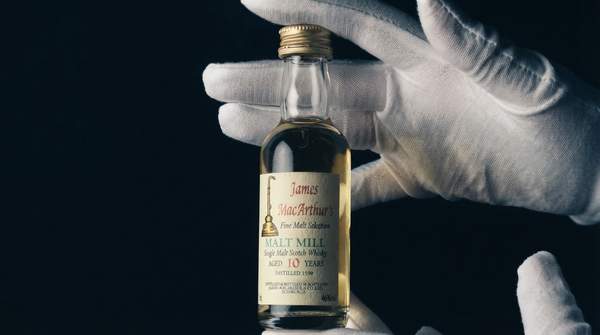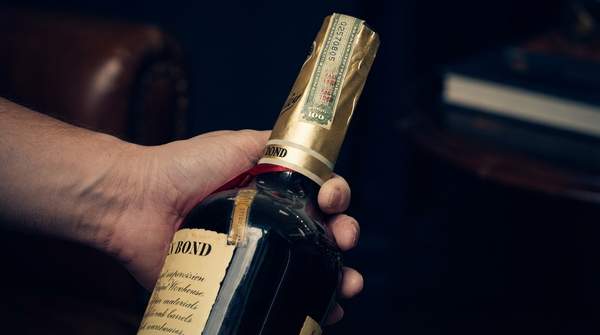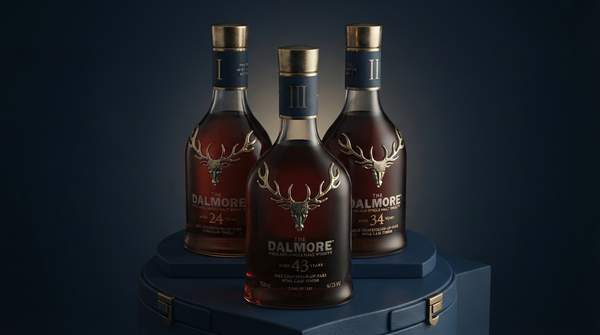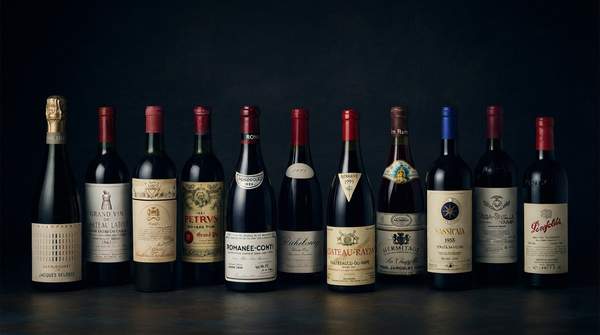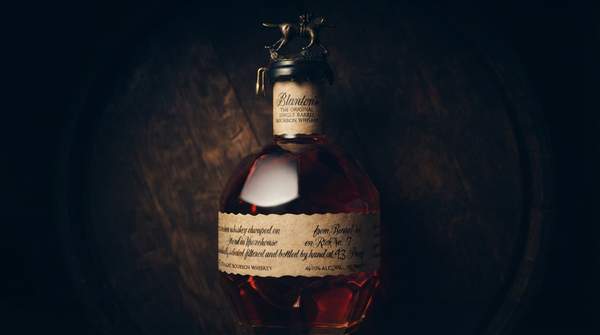
A bottle of rare spirits earns its "investment-grade" label not through price alone but through a convergence of scarcity, maturity, provenance, and demand. According to Vint, a platform that writes about whisky as an alternative asset class, these are "rare and exceptional bottles that attract the attention of both collectors and investors alike on the secondary market"—typically limited editions or vintage releases from well-known distilleries that tend to appreciate over time because of their rarity and collector demand. This guide distills that thinking into a repeatable framework you can apply to any bottle, along with guidance on where value hides and how to exit.
One caution before we begin: this is a guide to principles, not financial advice, and it does not offer price predictions for specific bottles. The distilleries named here are illustrative examples, not recommendations.
Defining Investment-Grade Spirits: Beyond the Price Tag
The most common mistake new collectors make is equating cost with investment potential. As Sip Tequila's collector guide puts it, "a spirit's high cost is often a reflection of its rarity, age, and craftsmanship, not just its flavor." Understanding these underlying factors is what separates the collector who buys well from the one who merely buys expensively.
Investment-grade bottles occupy a distinct niche: they are the bottles that trade on a secondary market, where collectors and investors compete for limited supply. Vint notes that while their value can fluctuate, they tend to appreciate over time. That distinction matters—a bottle that is merely expensive but plentiful may never develop a resale market at all, no matter how fine its contents.