Luxury brands are deploying NFTs along three distinct strategic lines: verifying the authenticity and ownership history of physical goods, granting holders exclusive access and community perks, and selling digital fashion and collectibles for virtual environments. The connective tissue across all three is the "phygital" NFT, a token that ties a physical product to a digital record on a blockchain.
Introduction: Luxury Brands Embrace the Digital Frontier with NFTs
An NFT, or non-fungible token, is a unique digital item stored on a blockchain that serves as a digital record of ownership; once written to the chain, it is immutable and verifiable. According to the NFT marketplace OpenSea, a luxury NFT is a high-end NFT created by a luxury brand, spanning sub-genres from fashion and collectibles to memberships and phygitals. Market research firm Daxue Consulting notes that brands have entered the NFT market as part of broader digitalization strategies, broadening virtual presence and stimulating digital creativity. For an industry whose currency has always been scarcity, provenance and status, the blockchain is a natural extension.
NFTs for Authenticity and Provenance: Guaranteeing Genuine Luxury
Counterfeiting has long plagued fashion and design labels, and it is here that NFTs offer the most concrete utility. As Simon-Kucher consultant Conrad Heider explains, authenticity is ensured by the unique way tokens are stored on the Ethereum blockchain: the origin and current owner of an item can be proven beyond doubt at any time, leaving counterfeiters with no opening.
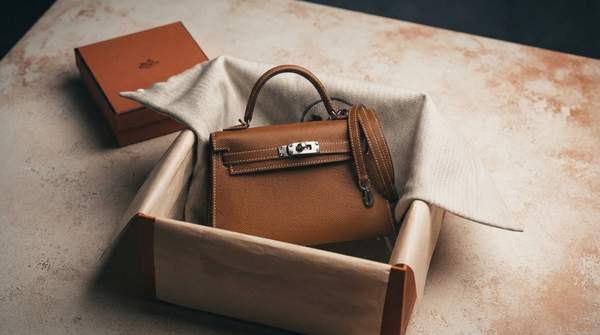
Daxue Consulting describes the mechanism in similar terms. NFTs certify the ownership of an asset to its holder and write it onto an open-source blockchain registry, creating a new system to track ownership across a product's lifecycle, from creation through resale. OpenSea adds that luxury brands use NFTs specifically to track the authenticity and ownership history of their products, a practice especially relevant in high-end fashion and art, where provenance is crucial.
Strategic Applications of NFTs for Luxury Brands
The table below categorizes the three core strategies along consistent dimensions: the strategic goal, the mechanism that delivers it, and a representative application drawn from the industry sources. Comparing the three side by side reveals that they are distinct plays, not variations of one idea.
| Strategy | Primary Goal | Key Mechanism | Example Application |
|---|---|---|---|
| Authenticity & Provenance | Verify authenticity and track the ownership history of luxury goods | NFTs as digital certificates or "digital twins" linked to physical items on a blockchain registry | Tracking the lifecycle of a luxury product from creation to resale via a verifiable ownership record |
| Exclusive Access & Community | Build engaged communities and offer holders exclusive perks | NFTs function as digital membership passes or keys to exclusive content and events | First looks at upcoming fashion collections, invitations to exclusive events, luxury travel experiences |
| Virtual World Assets | Extend brand presence into virtual environments and monetize digital goods | Creating unique digital collectibles, fashion and accessories for avatars that can be sold and traded | Signature brand items offered as skins and accessories in video games and metaverse platforms |
The comparison exposes a common point of confusion: an NFT acting as a certificate of authenticity for a physical handbag serves a completely different purpose from an NFT functioning as a membership pass or a purely digital cosmetic for an avatar. Only the first concerns the physical item itself; the second concerns the holder's relationship with the brand; the third exists entirely in the virtual realm.
Exclusive Access and Community Building: The Digital VIP Pass
The second strategy treats the NFT as a credential. OpenSea notes that luxury NFTs may grant holders access to benefits, perks and additional collections from the brand, including first looks at upcoming fashion collections, exclusive events and luxury travel experiences. Academic research on brand NFT strategy, published through the University of Liverpool's repository, argues that NFTs have immense potential to become standalone brand assets, and that brands can turn physical products such as shoes, shirts or art into NFTs to generate cross-selling opportunities and spark stronger perceived ownership of brand elements.
Perks, in other words, are the retention engine: the token is not the product but the key to a continuing relationship with the brand.
Virtual World Assets: Extending Luxury into the Metaverse
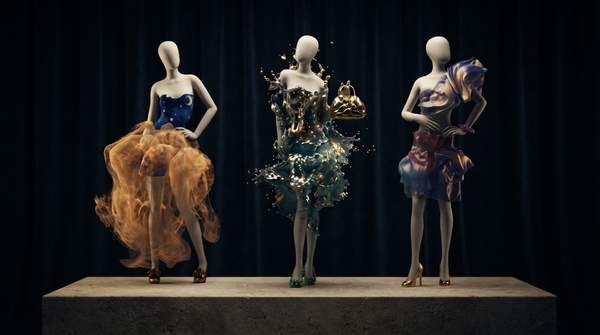
The third strategy is purely digital. Heider points to Balenciaga, which made four signature items available as skins and accessories in the online video game Fortnite, describing these virtual garments as many players' first point of contact with the brand. Digital clothing is typically priced lower than real haute couture, making it what Heider calls "a new kind of status symbol" that consumers can show off to the whole world online with a few clicks.
Daxue Consulting catalogs the range of brand activity: Prada teamed with Adidas Originals on a NFT project, Balmain collaborated with Barbie on three unique avatar NFTs with bids hovering around US$2,000, and Louis Vuitton released an adventure-based game, "Louis the Game," to celebrate its 200th birthday. OpenSea's coverage of Gucci's 10KTF Gucci Grail collection, a collaboration with digital artist Wagmi-san, shows a hybrid variant: items designed to accessorize holders' existing profile-picture NFTs.
Phygital NFTs: Bridging the Physical and Digital Worlds
The concept that binds these strategies together is the phygital. Per OpenSea's definition, a phygital NFT has both a digital and a physical component tied to its utility, and is typically used to associate a real-world purchase, such as a physical product, with an accompanying digital item or virtual receipt. Some phygital NFTs also work in reverse, enabling the redemption of a physical item tied to an initial digital purchase, known as a redeemable, though not all phygitals are redeemable.
The acquisition routes vary. Phygital NFTs can be purchased directly through a marketplace, minted or claimed after the physical item is purchased, or granted in person or through traditional e-commerce. Crucially, OpenSea notes that phygitals are often used by brands to build communities around beloved products or services, which is why they matter to luxury brands launching NFT collections. A phygital is thus both a proof of purchase and an invitation into the brand's orbit.
Strategic Imperatives: Integrating NFTs for Future Luxury
Luxury brands should strategically integrate NFTs to enhance product authenticity, cultivate exclusive customer communities, and expand their presence into virtual economies, with phygital applications serving as the bridge between physical and digital offerings. The strategic logic rests on continuity: NFTs extend the traditional luxury values of scarcity, exclusivity and status into digital realms, rather than replacing them. Heider cautions, however, that the luxury NFT trend is still in its infancy, and many brands still lack a dedicated monetization strategy, prioritizing technological experimentation over the specific business case.
The measurable indicator to watch is increased adoption of phygital NFT collections by luxury brands: product launches that link physical items to digital tokens, and growth in brand-specific metaverse experiences. When the next major maison attaches a verifiable token to a physical handbag, the three-strategy framework above will describe exactly what it is for.
Sources
- What Are Luxury NFTs? High-End Digital Collectibles — Opensea
- How luxury brands can leverage the metaverse and NFTs in China — Daxue Consulting - Market Research and Consulting China
- Fashion and designer NFTs: Why luxury brands can’t afford to miss out on this trend — SIMON KUCHER
- How can non-fungible tokens bring value to brands — Livrepository