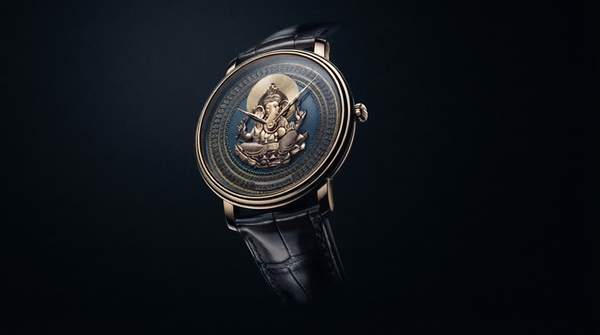
Luxury watch customization splits into four distinct routes, and the one you choose determines almost everything else: how far the watch can depart from factory specification, whether its authenticity survives, and whether a future buyer will pay a premium or walk away. Manufacturer-direct special orders and bespoke commissions from independent watchmakers sit at the artisanal end, generally preserving or even enhancing value because the original maker's hand is involved. Aftermarket modification by third parties is the riskiest path, capable of significantly reducing resale value when it touches the dial or movement. Reversible personalization — straps, bracelets, discreet engraving — is the safe middle ground, changing a watch's personality while leaving its original components untouched. Here is how the four approaches compare.
Comparative Framework for Luxury Watch Customization
The table below compares the four approaches across the criteria a collector actually weighs: how much of the watch can change, what happens to value and authenticity, whether the change can be undone, and who performs the work. Read it as a decision map — match your goal, whether maximum personal expression or strict value preservation, to the row whose trade-offs you can accept.
| Customization Type | Scope of Change | Impact on Value/Authenticity | Reversibility | Typical Provider |
|---|---|---|---|---|
| Manufacturer-direct (bespoke/special order) | Deep personalization within the brand's own design language — dial variations, metal combinations, strap configurations, or full ground-up commissions | Generally preserves or enhances value when factory-authorized or documented as a special order | Often effectively permanent, since changes are integrated into the original build | The original manufacturer or an authorized dealer |
| Independent watchmaker collaboration | Unique, often movement- and dial-focused creations, or entirely new bespoke watches built with the collector | Value derives from the maker's singular vision and craftsmanship; authenticity is tied to the independent studio's reputation | Generally irreversible — the bespoke creation is the point | Small independent studios or individual artisans outside major luxury groups |
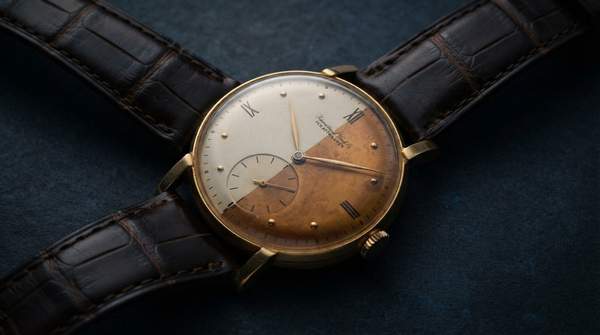
| Aftermarket modification | Custom dials, third-party gem settings, case refinishing, movement alterations to an existing watch | Can significantly reduce resale value and authenticity, especially undisclosed changes to dial or movement | Largely irreversible in practice; original condition often cannot be faithfully restored | Third-party watchmakers and artisans not affiliated with the brand |
| Reversible personalization | Strap and bracelet changes, subtle engraving in discreet areas | Value remains intact when original parts are stored safely and the watch can be returned to factory condition | Fully reversible | Any competent professional; no brand authorization needed |