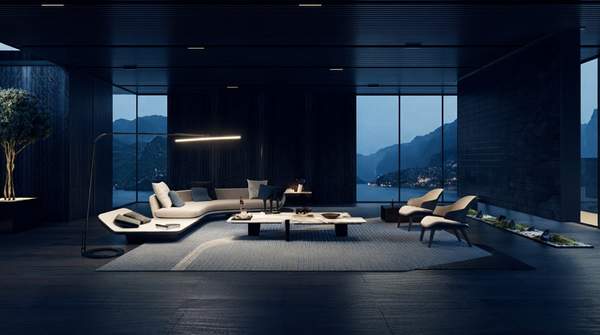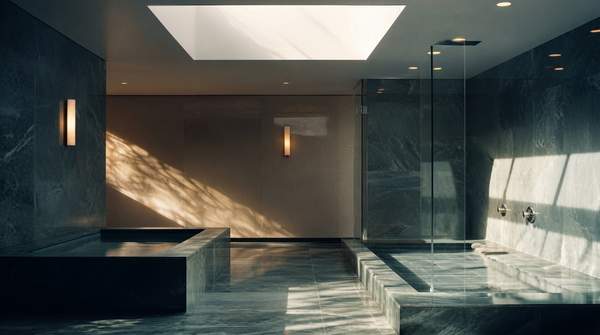
Biophilic design is the deliberate integration of natural elements into the built environment, and in luxury residential properties it shows up in three testable forms: direct contact with living nature, natural materials and analogues, and spatial experiences that evoke the natural world. Designers and researchers link these features to reduced stress and improved well-being for occupants, and to potential economic "added value" for the property itself. Neither benefit is guaranteed—well-being claims rest on design research rather than medical proof, and value claims on reported trends rather than financial advice—but the framework for identifying genuine biophilic integration is concrete and learnable.
Understanding Biophilic Design in Luxury Homes
The term may sound new, but the underlying idea is old: people experience greater happiness when their interior living spaces are meaningfully integrated with the natural world outside, as the Institute for Luxury Home Marketing puts it. That integration spans interior light and ventilation, appealing views, and the sights, scents, and sounds of the surrounding landscape. The approach has been developing for at least two decades under different names.
At its core, biophilic design refers to bringing the outside in—homes with indoor waterfalls, abundant natural light, and textures reminiscent of a forest walk, in the words of luxury staging firm ECD Los Angeles. What elevates the concept in high-end homes is intentionality. A luxury property does not simply contain plants; it is composed around how occupants will see, touch, and feel nature within it.
Researchers generally organize biophilic principles into three categories: nature in the space, natural analogues, and nature of the space. Those three categories translate directly into a practical checklist for evaluating any luxury residence, which this article builds toward below.
Direct Nature Connection: Bringing the Outdoors In
The first category is the most literal: actual living nature inside or immediately adjacent to the home. Vegetation—plants, flowers, and trees—placed both outside and inside a residential space creates a visual connection with nature, according to research on biophilic interior environments. In luxury applications, this extends from potted plants to vertical gardens, planter boxes built into joinery, and even entire ceilings softened with vegetation, as material specialist Sculptform describes.
Water and light complete the direct connection. Indoor waterfalls and water features engage sound and movement alongside sight, while abundant natural light changes character across the day in ways artificial lighting cannot replicate. Ventilation that lets fresh air move through a space adds a further sensory channel.
The reported benefits are physiological as well as psychological. Research on nature connectedness links it to relaxation, stress relief, lower blood pressure and heart rate, decreased chronic pain, improved cognitive functioning, increased positive emotions, and reduced fatigue, aggression, and sadness. These are associations drawn from design research, not medical guarantees for any individual—but they explain why direct nature integration is the most visible signature of biophilic luxury.