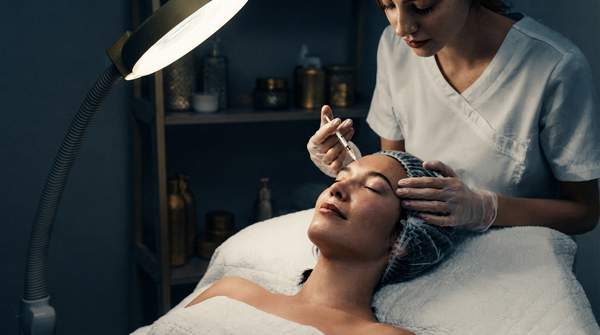
Oral peptides, particularly in polypeptide form, have demonstrated significant potential in improving skin hydration and brightness, alongside a modest effect on wrinkle reduction, according to a comprehensive systematic review and meta-analysis published in March 2026. This scientific assessment, which analyzed 19 randomized controlled trials involving 1,341 participants, suggests that oral formulations may offer advantages over topical applications for certain skin aging parameters. Understanding their efficacy, safety, and regulatory classifications is crucial for consumers considering these compounds.
The Science Behind Oral Peptides for Skin Aging
Anti-aging peptides are short chains of amino acids that interact with the skin's structure, hormonal pathways, and cellular repair processes. Scientists study these molecules for their ability to signal cells, support collagen production, and influence age-related biological changes. The 2026 systematic review and meta-analysis, conducted by Houriah Y. Nukaly and colleagues, specifically investigated the effects of peptides on skin aging parameters. The analysis concluded that peptides, especially oral formulations, significantly enhanced skin hydration and brightness. It also found a modest pooled effect on wrinkle reduction, with oral polypeptides largely driving this benefit.
Oral vs. Topical Peptides: Efficacy in Hydration and Wrinkle Reduction
The recent meta-analysis provides a direct comparison between oral and topical peptide formulations for skin aging. Oral polypeptides were found to significantly improve skin hydration, with a mean difference of 5.80, and showed a mean difference of 0.35 in wrinkle reduction. The researchers noted that oral formulations generally outperformed topical applications across most measured outcomes, including improvements in hydration and wrinkle reduction. While the effects on elasticity and density were inconsistent across the studies, the overall findings suggest a stronger and more consistent benefit from oral peptide intake for these specific skin aging concerns.
"Oral polypeptides significantly improve skin hydration (Mean Difference [MD]: 5.80, p < 0.01) and wrinkle reduction (MD: 0.35, p = 0.05), outperforming topical formulations."
Understanding the Safety Profile of Peptides
Across the randomized controlled trials included in the 2026 meta-analysis, peptides were generally well tolerated, with minimal adverse events reported. The review concluded that peptides appear to be safe, non-invasive anti-aging agents. However, this general finding does not preclude specific risks for individual peptide compounds. For instance, the U.S. Food and Drug Administration (FDA) has identified that compounded drugs containing Thymosin beta-4, fragment (LKKTETQ), also known as TB-500, may pose a risk for immunogenicity due to potential aggregation and peptide-related impurities. The FDA also noted a lack of sufficient safety information for this specific drug when administered to humans. This highlights the importance of distinguishing between general peptide safety and the specific risks associated with certain compounds or routes of administration.