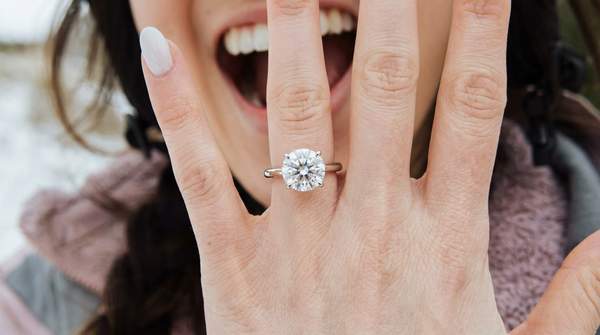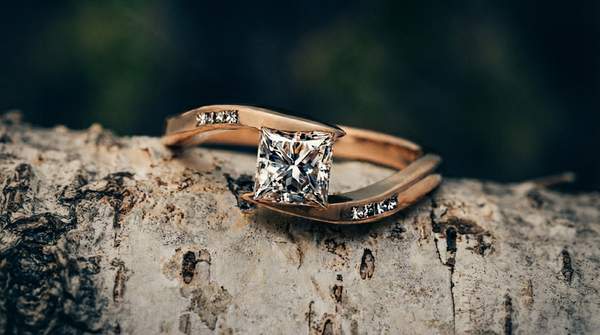
Two of the most distinctive setting techniques in contemporary haute joaillerie—the tension setting and the inverted, or "pointy-up," setting—represent opposite answers to the same question: how far can a designer push visual drama before compromising the stone's security? The tension setting suspends a gemstone between two metal ends with no prongs at all, creating a floating illusion at the cost of specialized alloys and an unresizable band. The inverted setting flips the stone on its head, literally, mounting it pavilion-up for bold dimension while exposing its most fragile point to daily wear. Understanding these trade-offs is the key to appraising either technique intelligently.
Redefining High Jewelry: An Introduction to Innovative Settings
Innovative settings matter in high jewelry because the mounting is never merely a frame—it determines how light reaches the stone, how well the stone survives decades of wear, and how the piece reads on the hand. Industry guidance on setting techniques emphasizes that the choice does more than enhance beauty: it is a crucial factor in craftsmanship value, functionality, and customer confidence. The same guidance ranks tension settings as offering a "futuristic floating effect" with only moderate security, while inverted settings score low on security and are rated difficult to repair.
What unites these two techniques is a willingness to abandon convention. The tension setting removes the prongs and bezels that have dominated jewelry for generations; the inverted setting abandons the very assumption that a gem's table should face upward. Both are design statements first, and both ask the wearer to accept specific, well-documented compromises in exchange. This article examines each technique's mechanics, then places them side by side.