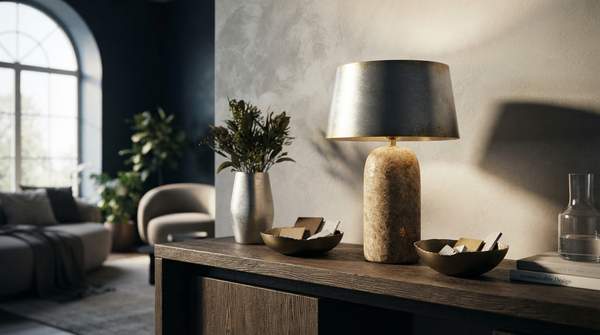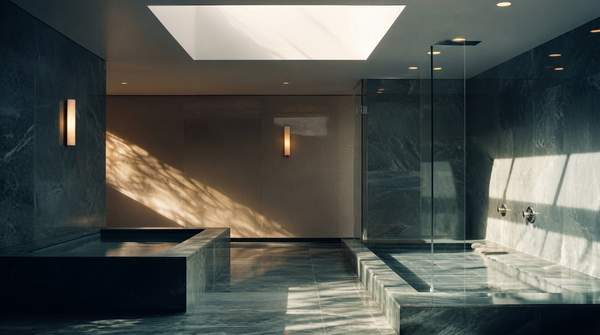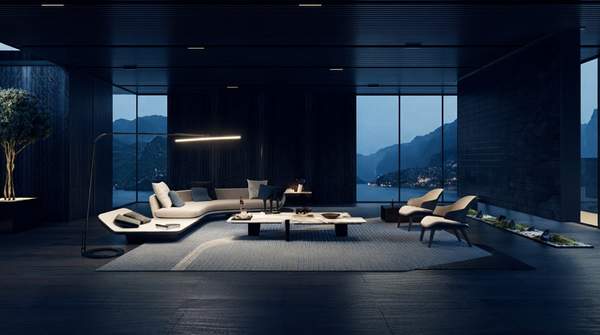
Biophilic design is the practice of building a home that behaves like the outdoors: it floods rooms with daylight, frames views of greenery, runs water within earshot, and wraps surfaces in wood and stone. In luxury residences, these are not decorative gestures but architectural decisions—floor-to-ceiling glazing, living walls, integrated water features—chosen because research links each one to a specific wellness outcome, from better sleep to lower stress. Understanding the principle behind each feature lets you read a property the way a designer does.
The Philosophy of Biophilic Design in Luxury Living
The premise is simple: incorporating nature into architectural design has positive effects on the people inside a space. As materials specialist Sculptform explains, the popular elements of nature used in interiors are plants, timber, ventilation, water, and natural light. The goal is not to decorate with nature but to make the built environment register, perceptually, as natural.
A useful shorthand comes from a luxury-residence developer in Palm Beach, which describes biophilic design as "tricking your brain into thinking you're outdoors, but with all the indoor comforts." The approach stacks small perceptual cues—daylight, greenery, natural texture, moving water—so that, together, the space "breathes with you."
The field has moved from niche to mainstream in high-end residential building. Writing for RISMedia, Paige Brown reports that extensive research has shown correlations between natural light and improved sleep, between plants or "living walls" and better air quality, and between water features and a sense of well-being. She notes that Architectural Digest has called the philosophy a "movement" rather than a passing trend, and that builders, architects, designers, and mental-health experts are all paying closer attention to its principles.