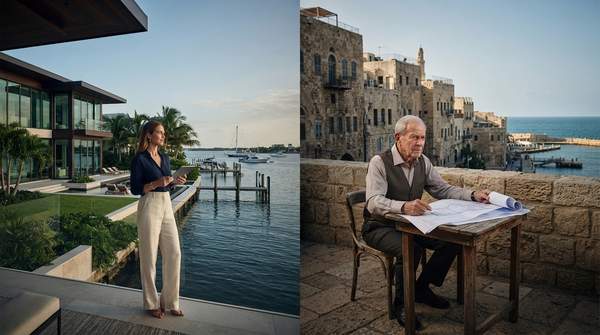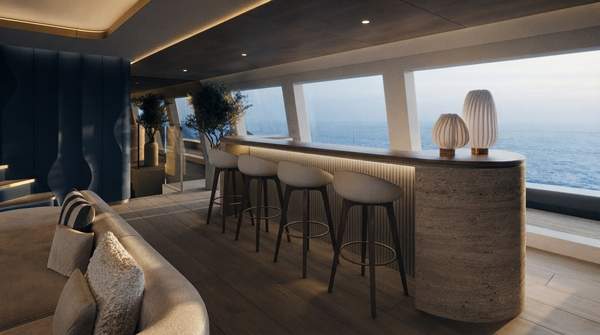
Luxury yacht interiors are converging on a clear direction: spaces that feel residential rather than staged, technology that is invisible until needed, and materials chosen for their environmental story as much as their beauty. Industry reporting from design firms, shipbuilders, and design magazines points to three distinct movements. Understanding how each one shapes space, surfaces, and onboard systems is the fastest way for an owner to articulate what they actually want from a new build or refit.
The Evolution of Yacht Interiors: A New Era of Luxury
The old model of yacht interiors — polished, formal, and unmistakably nautical — is giving way to something more personal. A 2026 trends piece by Setag Yachts, a yacht design firm, argues that on a vessel where spaces are inherently curated, the goal is now interiors that feel "lived-in rather than staged," with character that deepens over time rather than dating.
That shift reframes what luxury means on the water. Comfort, according to the firm's writer Ellie Gates, is not just a matter of upholstery fillings and mattress construction; it is shaped by layout, circulation, sightline, and proximity to amenities. When those elements are considered together, the result is an environment that feels "intuitive, relaxed and effortlessly luxurious."
A design guide published by urdesignmag frames the same evolution from the owner's side: a successful interior must balance sophistication, comfort, and functionality, and withstand the unique challenges of life at sea. Sustainability and personalization now sit alongside that brief, which sets up the three trends that follow — and the trade-offs between them.